

Newsletter
SOS Children’s Villages Tunisia helped ensure a successful start to the 2026/2027 school year for children and young people benefiting from its services by providing school supplies and the support needed to promote suitable learning conditions and equal opportunities throughout the year.
This year, 10,807 children and young people benefited from back-to-school and university support across all levels of education, including preschool, primary and secondary education, higher education and vocational training.
The budget required to provide back-to-school supplies this year was estimated at TND 5.953 million. It covers school bags, stationery and other school supplies, books, items specific to each level of education, clothing and shoes.
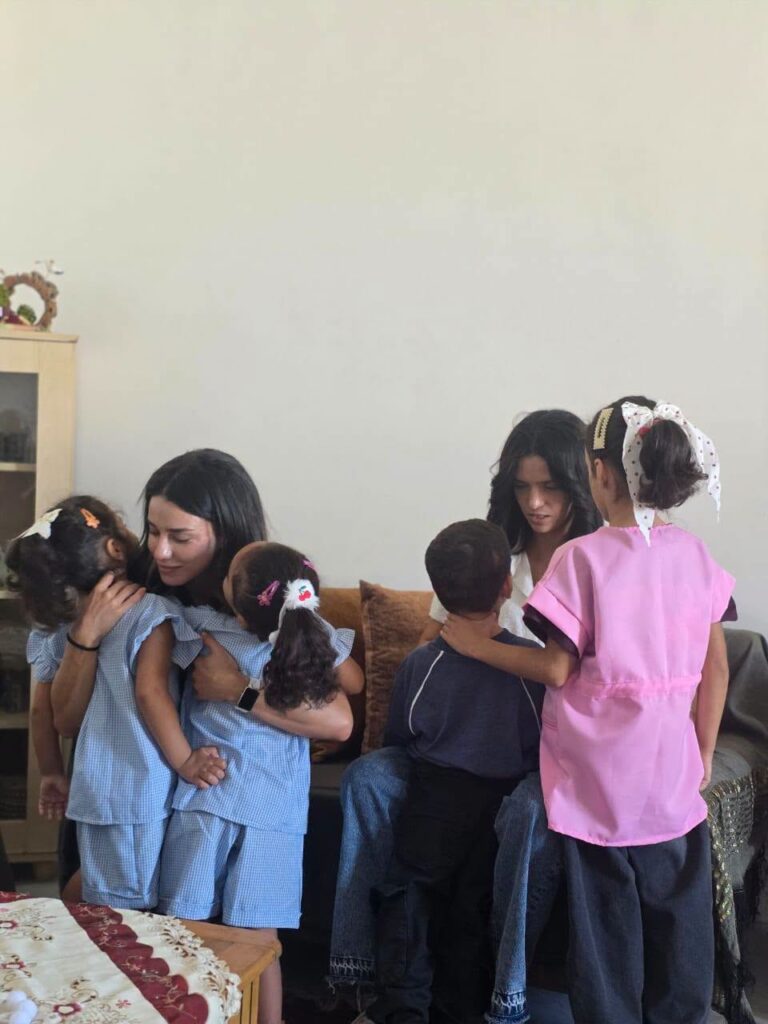
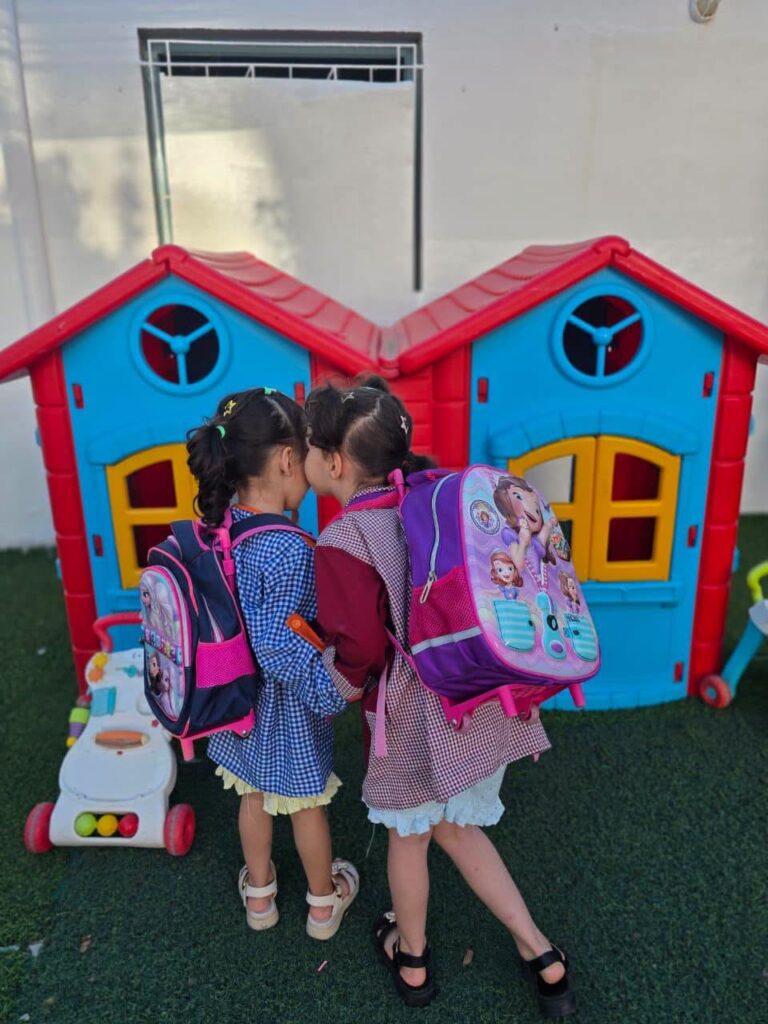
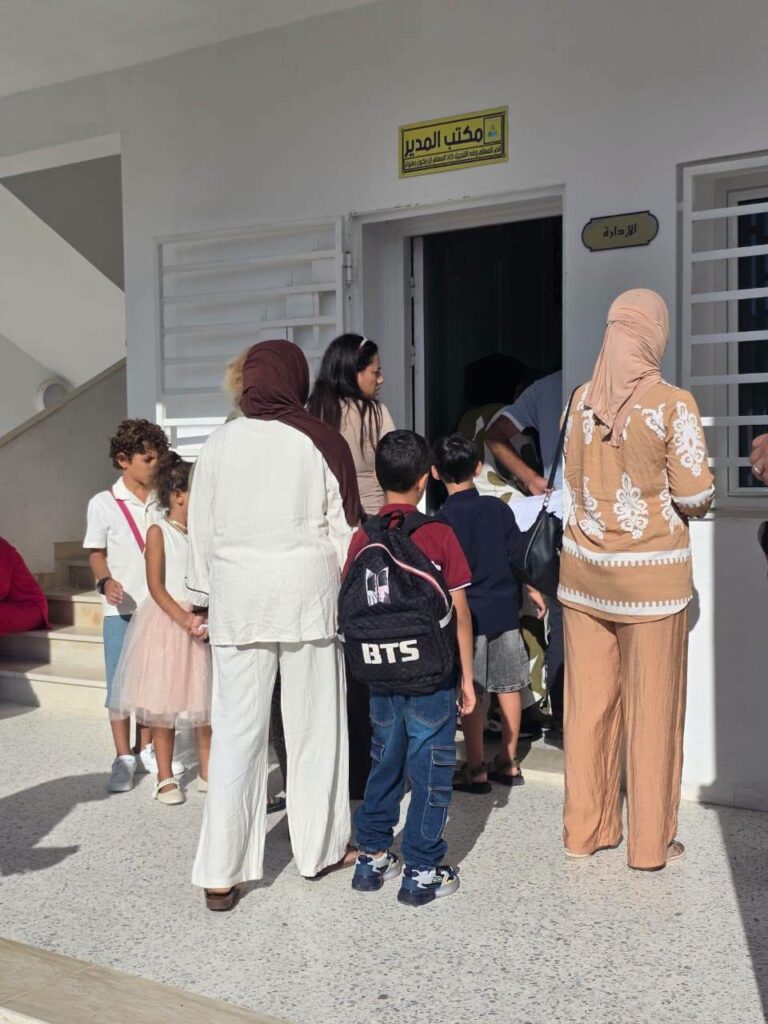
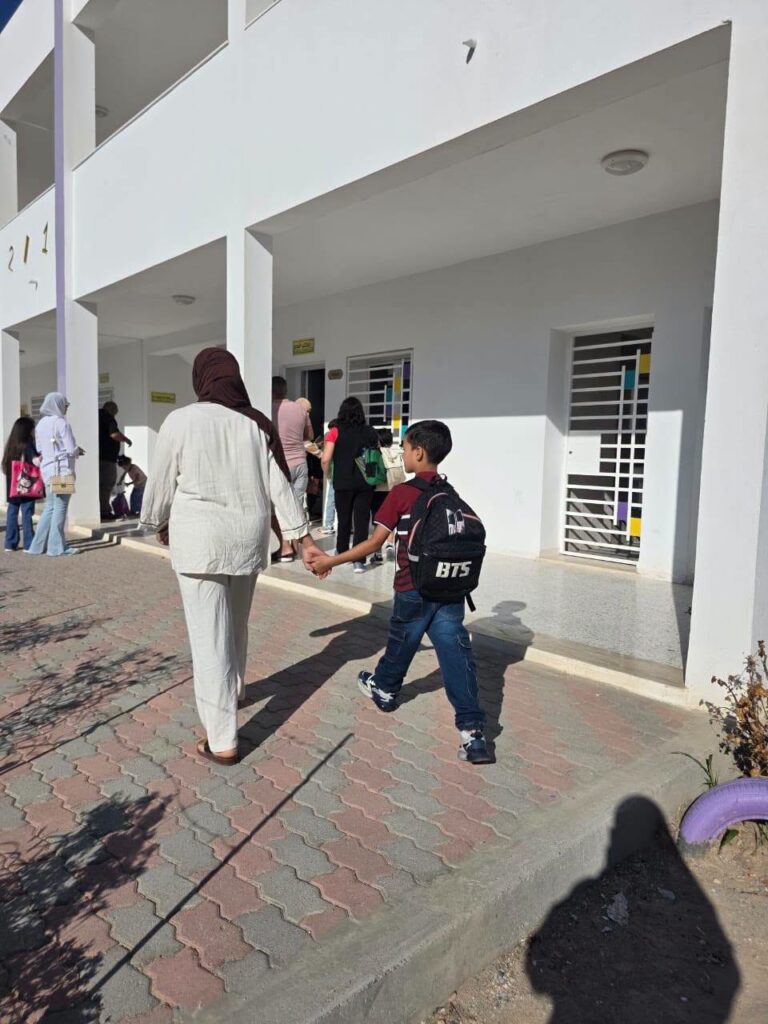
Children and young people need support throughout the school year, not only at its beginning. The association therefore continues to provide school transport, tutoring, and sports, cultural and recreational activities, helping create the stability and conditions needed to continue studying and reduce the risk of early school leaving.
These efforts are reflected in beneficiaries’ academic results. The overall success rate across all levels was 87%, while the pass rates for the Baccalaureate examination and at university level were 70% and 78%, respectively.
SOS Children’s Villages Tunisia calls on individuals and institutions to help support children’s school and university needs, ensuring that every child and young person has the supplies and conditions needed to succeed and promoting equal educational opportunities. Institutions can also sign monthly direct-debit sponsorship agreements (PAP) to help cover children’s needs throughout the year, including transport, tutoring, supplies and educational and cultural activities. This ensures continuous support rather than assistance limited to the back-to-school period. To contribute, visit www.sosve.tn or call 58 371 002.
The association currently supports more than 11,000 beneficiaries across Tunisia, with offices in 12 governorates. By the end of 2026, it aims to reach 12,000 beneficiaries and extend its presence to 14 governorates.